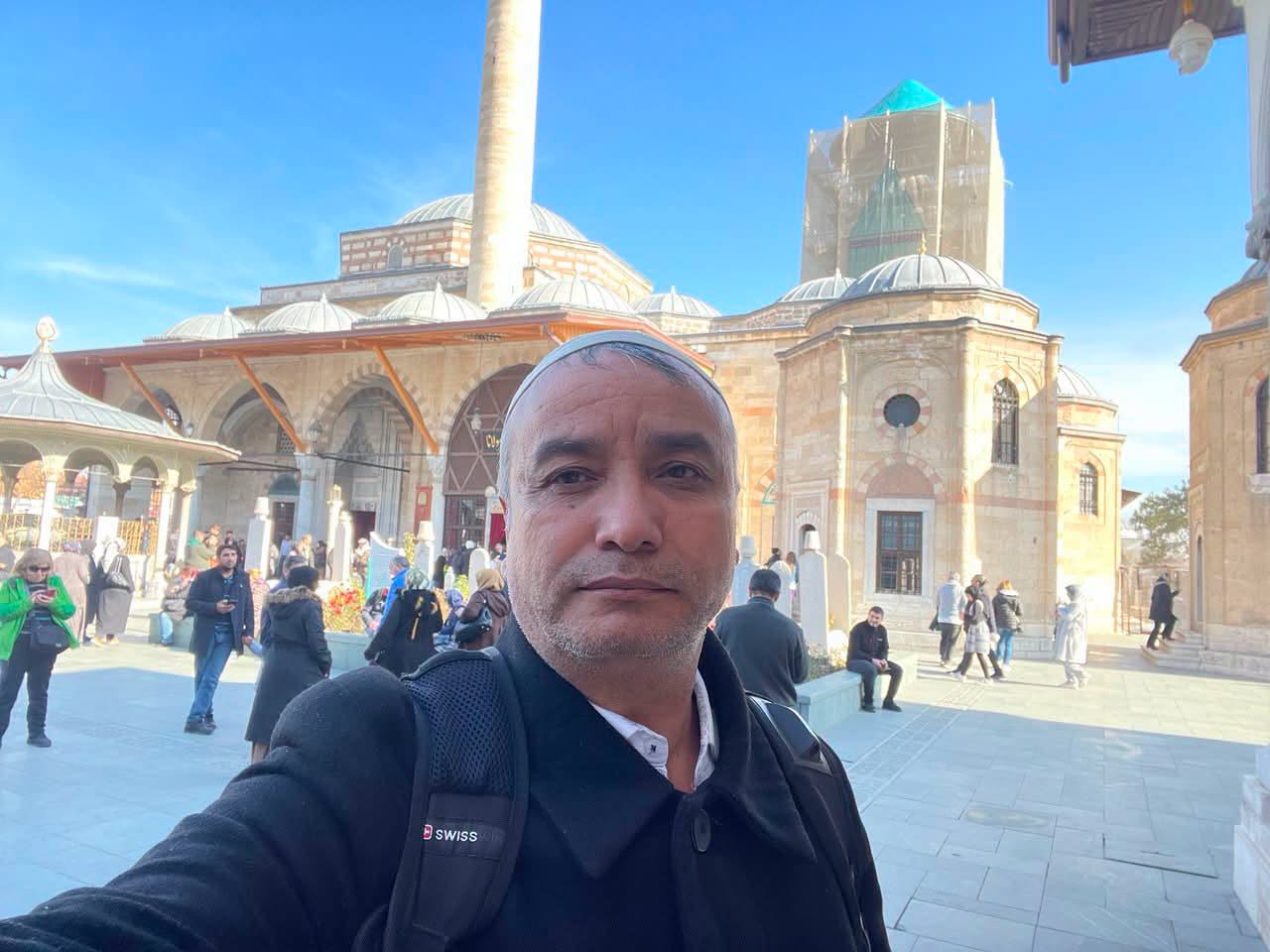
Has Uzbekistan reached the point where even Rumi is treated as a problem?
How can a nation promote reading while creating fear around books?
According to reports from booksellers and publishers, bookstores in Uzbekistan have faced inspections, heavy fines, and the confiscation of books that officials reportedly classify as “religious content” under an overly broad interpretation of existing regulations.
This raises alarming questions. If the works of Rumi can reportedly be removed from bookstore shelves, what about Alisher Navoiy, the father of Uzbek literature, whose masterpieces begin with praises to God and the Prophet? What about Rabgʻuziy, Ahmad Yugnakiy, Ahmad Yassaviy, Mashrab, and centuries of Turkic and Uzbek classical literature? Where does literature end and prohibited “religious content” begin?
And where does this logic stop? Would it extend to Leo Tolstoy, whose later works explore Christianity and moral philosophy? To William Shakespeare, whose plays contain numerous biblical and Christian references? To Dante Alighieri, John Milton, and Fyodor Dostoevsky, whose masterpieces are inseparable from religious thought? Or even to the classics of ancient Greece, where mythology and religion are woven into the very fabric of literature?
Such uncertainty does not only affect bookstores. It discourages publishers, translators, writers, scholars, and readers. It deprives society of literature, history, philosophy, and scholarship. It creates fear where curiosity should flourish.
As a poet, translator, and cultural organizer who has spent years introducing Uzbek literature to the world, I find these reports deeply alarming.
I respectfully call on UNESCO, PEN centres, international cultural organizations, embassies, publishers, human rights organizations, foreign media, journalists, and all those who believe in the freedom to read to pay close attention to what is happening in Uzbekistan.
Protecting books is not merely about protecting paper. It is about defending freedom of thought, preserving cultural heritage, and safeguarding the future of a nation.
A country that fears books ultimately fears ideas.
(This photo was taken at Rumi’s tomb in Konya, a place that reminds us that great literature belongs to all humanity, not to censorship.)