My English Translation of Layli and Majnun by Alisher Navoiy Is Published!
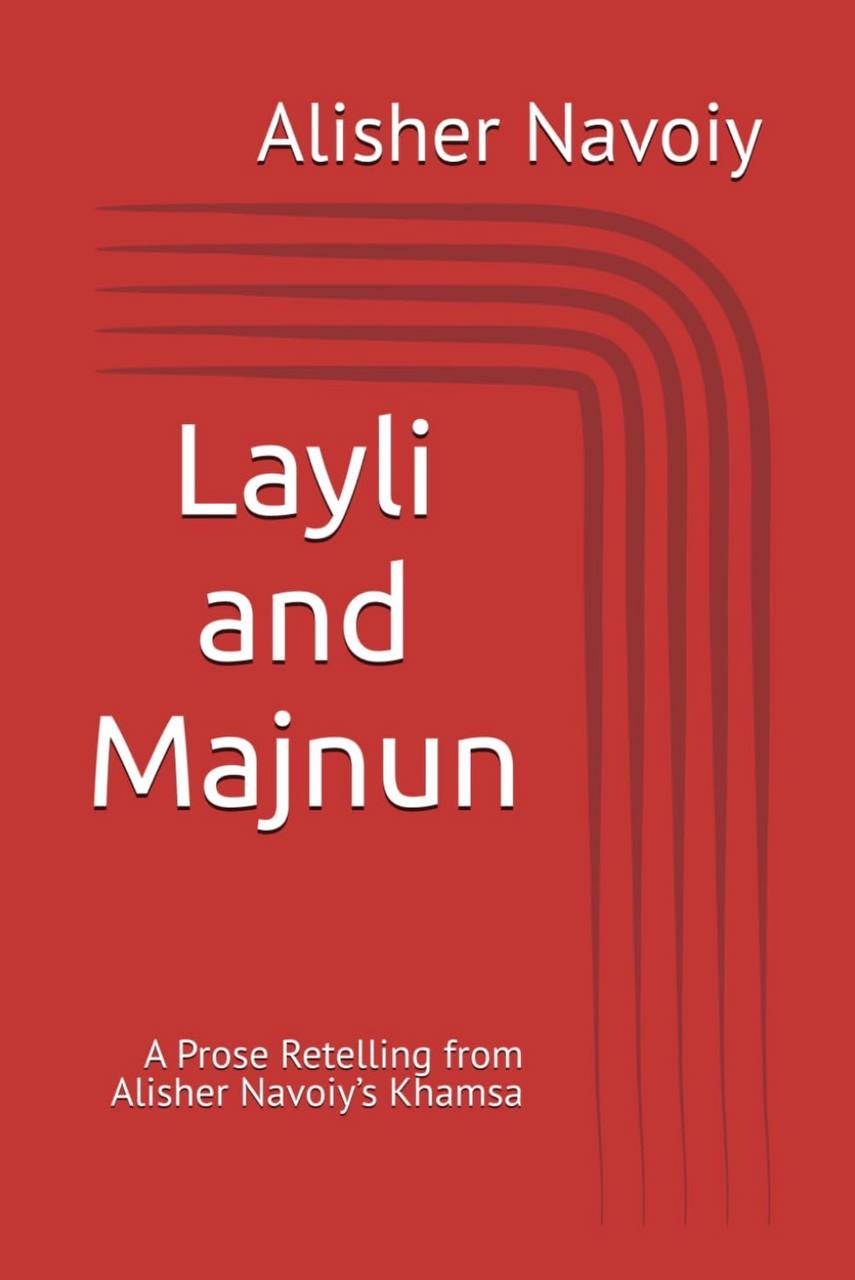
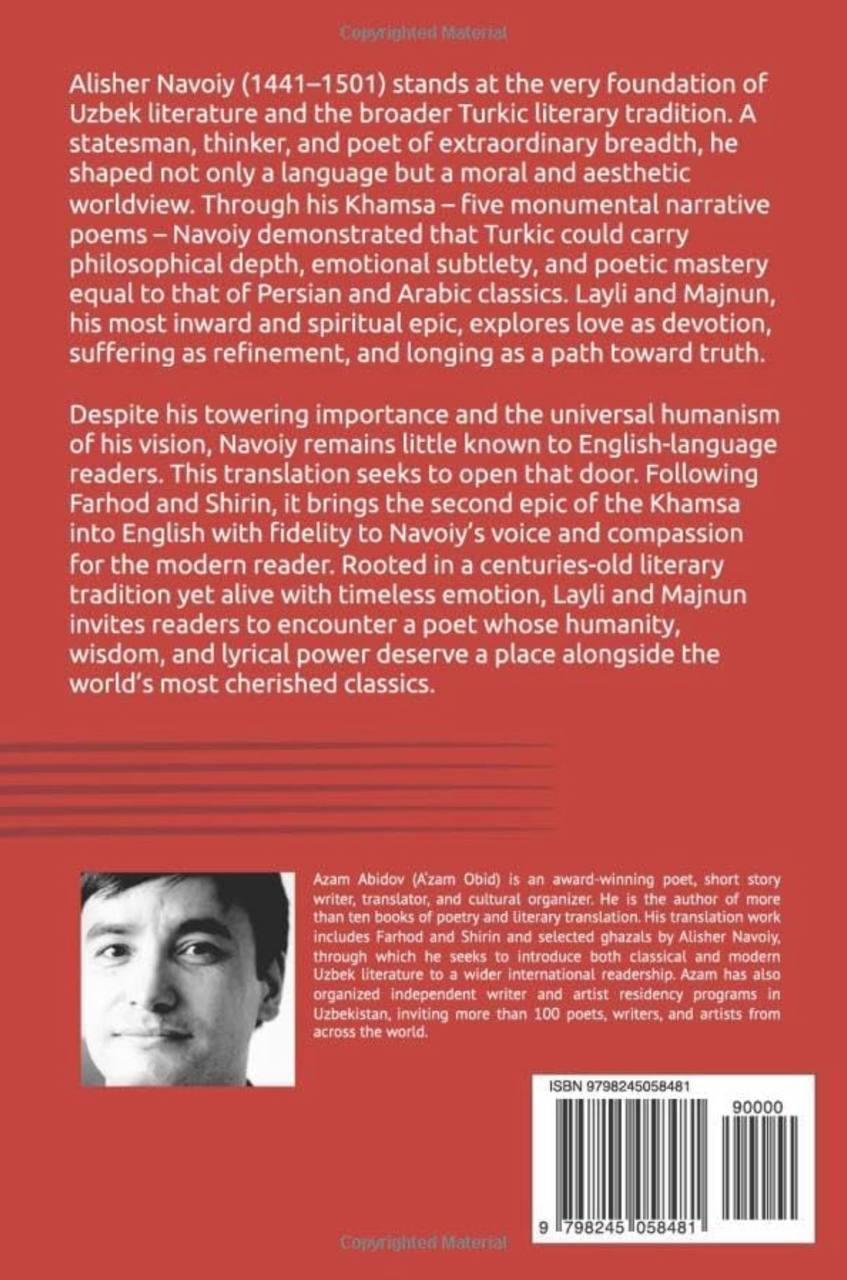
For many years, I have worked in close and sustained engagement with the works of Alisher Navoiy (1441–1501), the father of Uzbek literature and one of the great humanist poets of world civilization. I am pleased to announce the publication of my English translation of Layli and Majnun, now available in Kindle and paperback editions.
Link:
https://www.amazon.com/Layli-Majnun-Retelling-Alisher-Navoiys/dp/B0GJG37TPQ?fbclid=IwY2xjawPnNZZleHRuA2FlbQIxMABicmlkETEwOERkU01EWFR0SldUNzBhc3J0YwZhcHBfaWQQMjIyMDM5MTc4ODIwMDg5MgABHiRdR3XKIqrWKysQpE1bq27aJDaarhohT2ieygUAzkvLDzGw0VPeBYoMqOwa_aem_kjSHoSoRP7UZgBJJZYzjdA
This work is based on the retold epic version of the poem, as the original text is written entirely in verse. It is the second major work from Navoiy’s Khamsa that I have rendered into English, following my earlier translation of Farhod and Shirin. In addition, I have translated Navoiy’s ghazals and written commentaries on them, as part of a long-term literary commitment to presenting his legacy to English-language readers. Taken together, these publications may represent the most extensive body of Navoiy’s works available in book-length English translation by a single translator to date.
While there are meaningful efforts within Uzbekistan to honor and promote Navoiy, his presence in the English-speaking world remains limited. Many international publishers, festival curators, educators, and cultural producers are still unfamiliar with his work and significance. Bridging this gap requires focused attention on high-quality English-language translation, publication, and sustained international literary circulation, rather than symbolic representation.
The international promotion of Navoiy’s legacy is a structural, long-term task that cannot be carried forward by individual effort alone. It would normally be supported by mechanisms such as annual international literature and poetry festivals, a UNESCO City of Literature, writer and translator residency programs, and Navoiy Institutes abroad—yet such frameworks, unfortunately, do not currently exist in Uzbekistan. I will continue this work with commitment and perseverance, and I sincerely hope to find the support of like-minded individuals, businesses, and donors who believe that Alisher Navoiy’s legacy deserves a lasting and visible place in world culture.